Coconut shells from Indonesia are globally renowned for their dense structure and high carbon purity. However, international buyers often confuse raw coconut shell charcoal with coconut shell activated carbon. While both originate from the same natural feedstock, their manufacturing processes, physical properties, adsorption capabilities, and commercial applications differ substantially.
Understanding these key distinctions ensures procurement managers select the correct raw material for their specific industrial operations.
1. Production Process: Carbonization vs. Thermal Activation
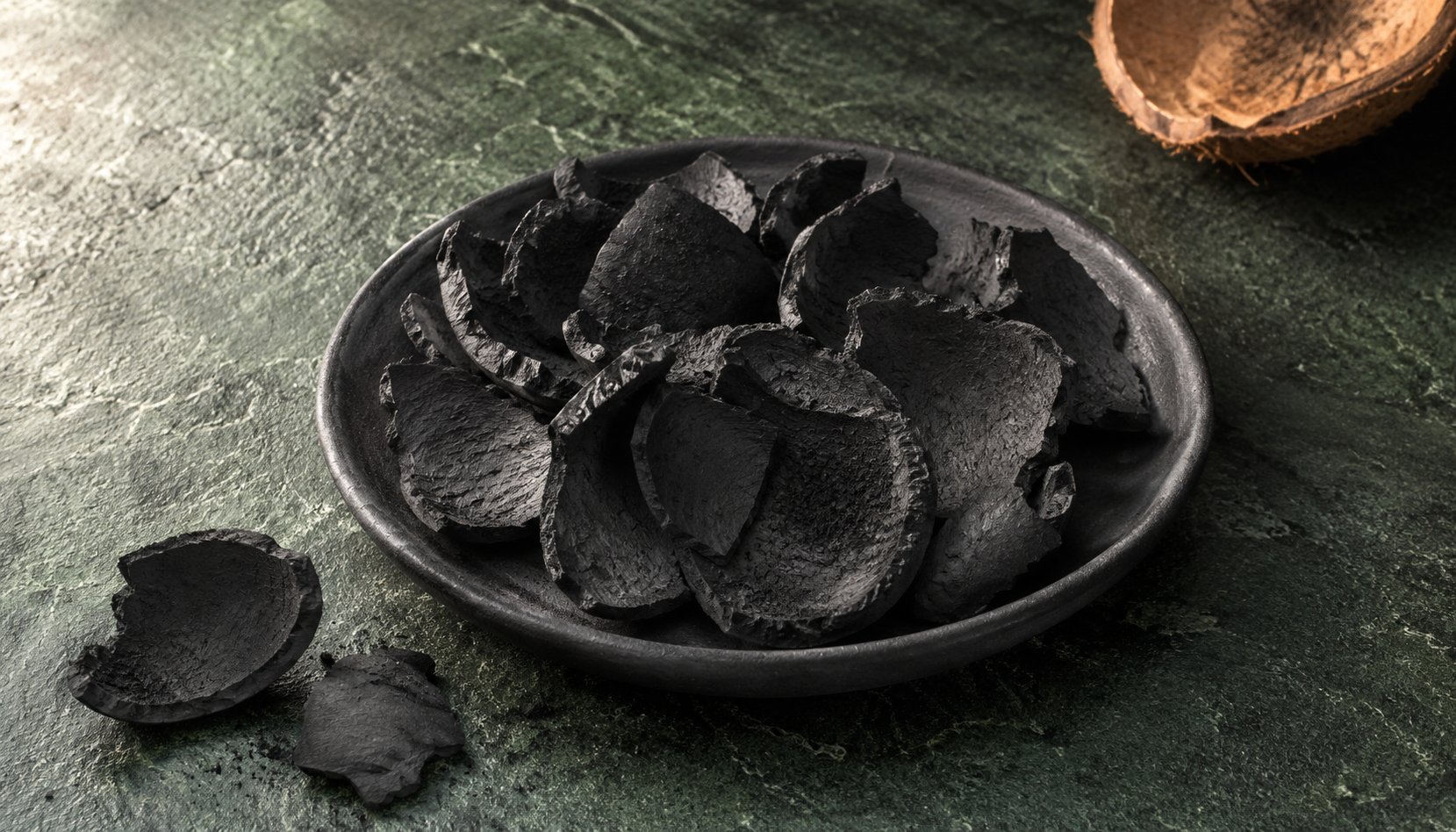
Coconut Shell Charcoal (Carbonized Shell)
Produced via controlled pyrolysis — burning coconut shells in limited oxygen environments at temperatures between 400°C and 600°C. This process removes volatile matter and leaves behind carbonized shell chunks with high fixed carbon (70–75%) and high calorific heat value.
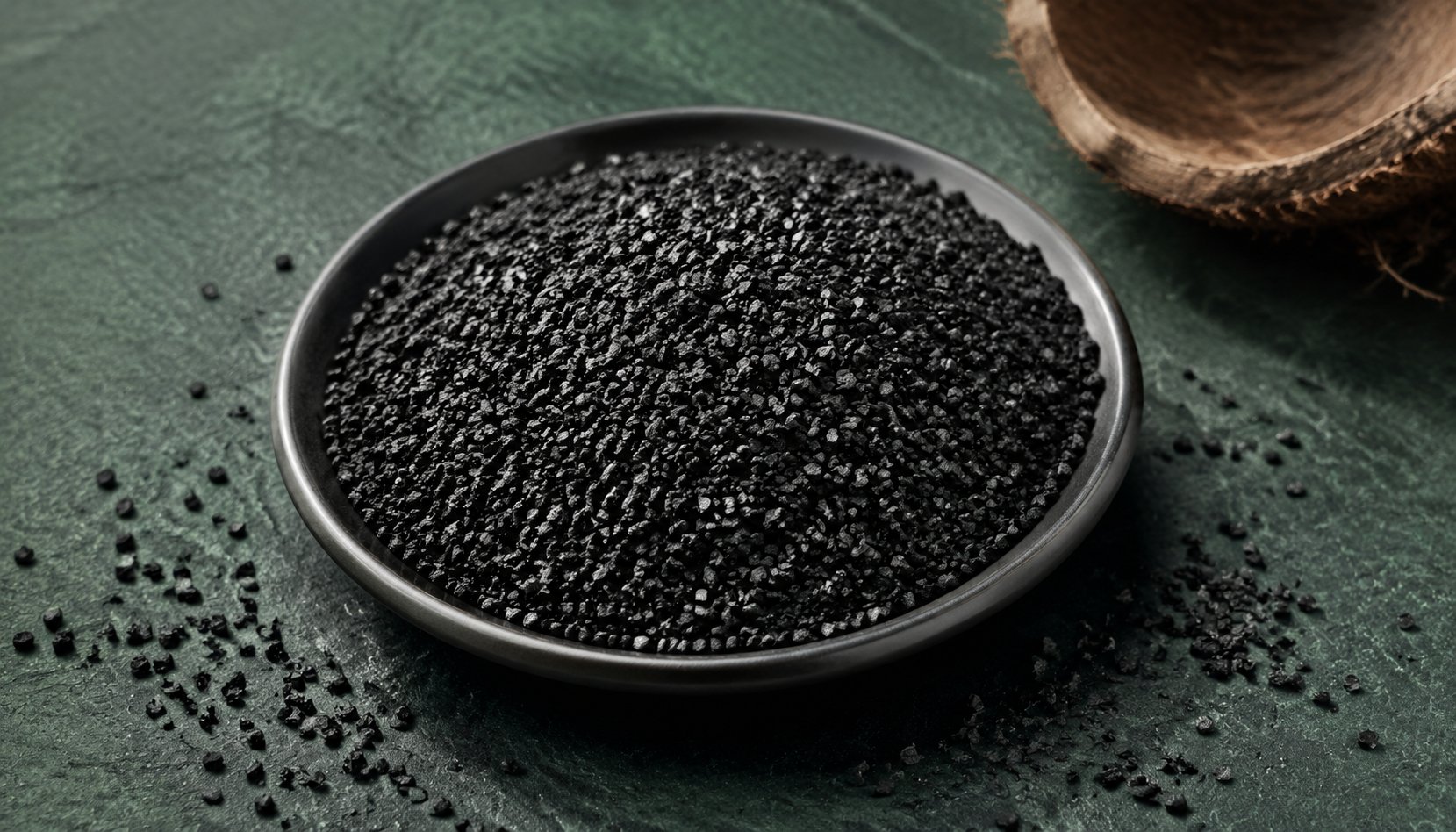
Coconut Shell Activated Carbon
Takes carbonized charcoal a critical step further through steam activation at ultra-high temperatures (850°C – 1,000°C). The reaction between high-pressure steam and carbon creates a vast internal porous network, multiplying the material's internal surface area exponentially.
Key Takeaway
Surface area is the single biggest differentiator. Steam activation multiplies porosity from roughly 10–50 m²/g in raw charcoal to 800–1,200+ m²/g in activated carbon — this is what unlocks adsorption-based applications like filtration and gold recovery that raw charcoal simply cannot perform.
2. Core Differences: Comparison Table
| Parameter | Coconut Shell Charcoal | Activated Carbon |
|---|---|---|
| Raw Material | 100% mature coconut shell | Carbonized coconut shell charcoal |
| Production Stage | Single-stage carbonization | Two-stage: carbonization + steam activation |
| Internal Surface Area | ~10 – 50 m²/g | 800 – 1,200+ m²/g |
| Primary Mechanism | Thermal combustion (heat energy) | Adsorption (physical attraction of molecules) |
| Iodine Number | Negligible / not tested | 600 – 1,200 mg/g |
| Primary Sizing | Chunks / granular screened (natural) | Standard mesh (4×8, 8×30, 12×40, 20×50) |
| Primary End-Use | Shisha/BBQ briquettes, industrial fuel | Water filtration, air purification, gold recovery |
3. Industrial Applications: Which One Do You Need?
When to Choose Raw Coconut Shell Charcoal
- Shisha / hookah briquette manufacturing (requires clean white ash, low smoke, zero odor).
- Metallurgy & industrial solid fuel (cost-effective high-heat source).
- Raw material feedstock for secondary activation plants.
When to Choose Coconut Shell Activated Carbon
- Potable water treatment & industrial effluent filtration (removing chlorine, VOCs, organics, and unpleasant odor).
- Gold cyanidation / mining recovery — relying on high hardness >98% and iodine 900–1,100 mg/g to capture precious metals.
- Air, odor & industrial gas scrubbing.
4. Export Packaging & Container Logistics from Indonesia
Both packaging standards are available at COVARA's export points — Panjang Port, Sumatra, and Tanjung Priok, Jakarta:
Charcoal Shipments
- 20–25 kg PP bags, or bulk bags in 40ft HC (18–22 MT)
- Self-Heating / Vanning certification included
Activated Carbon Shipments
- 25 kg multi-wall bags, or 500 kg jumbo bags
- Batch-specific COA and MSDS provided
Summary & Technical Consultation
Whether you require bulk raw charcoal for manufacturing or specialized iodine-rated activated carbon, sourcing directly from Indonesian processors guarantees traceability, competitive FOB pricing, and verified quality parameters.